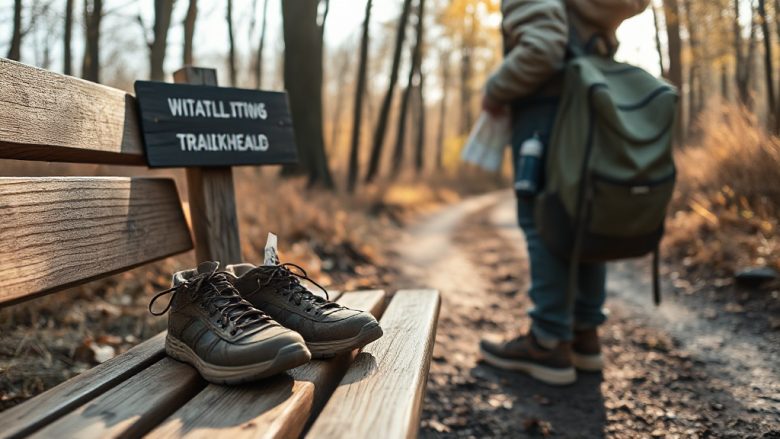
You’ve decided to go on a proper nature walk. Good. Now you’ve made the mistake of searching for advice, and suddenly you’re drowning in conflicting lists. One person says you need four litres of water and a satellite beacon. Another says a bottle of squash and a packet of crisps is plenty. Somewhere in the middle, a stranger on a forum insists you’ll die without waterproof trousers.
Here’s the truth: most of that advice is written for people doing something much more extreme than you are. A nature walks checklist for first timers should fit on the back of a receipt and still cover everything that genuinely matters. That’s what this is. Read it once, copy the bits that apply to you, and get outside.
I’m going to walk you through three things in order: what to wear, what to pack, and what to check before you leave the house. Then I’ll cover the handful of mistakes that trip up almost every beginner, so you can sidestep them without learning the hard way.
What to Wear on Your First Nature Walk
Clothing is where beginners either overthink or underprepare. The goal isn’t to look like a mountaineer. It’s to stay comfortable enough that you forget what you’re wearing and notice the walk instead.
- Layers, not one big coat. A base layer, a light fleece or jumper, and a thin waterproof shell will handle almost any British weather if you can add or remove as you go.
- Trousers you don’t mind getting muddy. Walking trousers or old jeans beat leggings, which snag on brambles and soak through fast.
- Trainers with grip, or walking shoes. You don’t need boots for a flat woodland path, but smooth-soled fashion trainers will have you sliding on wet roots.
- Thin wool or synthetic socks. Cotton socks hold sweat and cause blisters. One decent pair makes a real difference.
- A hat and a spare layer in your bag. Even in summer, shaded woodland and hilltops run several degrees cooler than your driveway.
Notice what’s missing? No specialist gear, no expensive brands, no waterproof overtrousers unless rain is actually forecast. The single biggest clothing mistake first timers make is dressing for the temperature at their front door rather than the temperature two hours later in the shade, halfway up a slope, with a breeze. Layers solve that. If you’re warm and dry when you set off, you’ve probably overdressed.
What to Pack in Your Day Bag
Everything here should fit in a small rucksack or a decent shoulder bag. If you’re carrying more than about four kilograms for a half-day walk, you’ve packed for a different trip.
- Water — around one litre per person for a two to three hour walk. More if it’s hot.
- A snack with actual substance. A banana, a flapjack, some nuts. Sugar alone will leave you flat an hour later.
- Your phone, charged, plus a power bank if you have one. Not for scrolling. For maps, photos and emergencies.
- A paper map or a downloaded offline map. Signal disappears in valleys and dense woodland more often than you’d expect.
- A small first aid kit. Plasters, blister plasters, antiseptic wipe, tweezers for splinters and ticks.
- Sunscreen and a lip balm. Yes, even in October. Sun on exposed skin adds up over three hours.
- A lightweight rain jacket, even if the forecast looks fine.
- A bin bag or small dry bag for muddy boots, wet layers or a soggy map.
- Tissues or a small roll of toilet paper in a zip bag. You’ll thank yourself.
That’s the whole kit. Notice there’s no compass course, no emergency shelter, no bear spray. If you’re walking a waymarked trail within a few miles of a village, this list is genuinely enough. The two items people most often skip and most often regret are water and a paper map. Phones die, and thirst on a warm afternoon turns a lovely walk into a trudge.
What to Check Before You Leave the House
Five minutes of checking saves a lot of irritation later. Run through this before you put your boots on.
- The weather forecast, including wind and sunset time. Not just the temperature. Wind chill and early darkness catch people out.
- Your route and its length. Know roughly how far you’re going and where you’ll turn back. A three-mile loop is a great first walk.
- Where you’ll park, and whether there’s a fee or a height barrier. Small thing, big annoyance.
- Whether dogs are allowed and whether livestock is grazing. Check the trail information before you set off.
- That someone knows where you are. Send a quick message with your route and expected return time.
- That your phone is charged and your offline map is downloaded. Do this at home, not in a car park with one bar of signal.
- That your bag is actually packed, not just assembled in your head.
One more check that matters more than it sounds: your footwear. Lace them properly, snug around the ankle, and trim your toenails beforehand. Most first-timer blisters come from toenails pressing into the front of a shoe on descents, not from bad socks. Sort that before you leave and you’ll avoid the classic day-two hobble.
Troubleshooting: Common First-Timer Mistakes
You’ve gone too far and it’s getting dark. Turn around earlier than feels necessary. Walking back in fading light is slower than walking out, and the last mile is always longer than you remember. If you’re genuinely caught out, stick to the path, keep your phone torch for emergencies rather than constant use, and message whoever knows your route.
You’ve run out of water. Don’t drink from streams or rivers, however clear they look. Farm runoff and animal waste are real risks. Ration what you have, slow down, and head for the nearest village or cafe. This is why the one-litre rule matters.
Your feet are rubbing. Stop immediately and deal with it. A plaster applied at the first hint of a hot spot prevents a blister. Ignoring it for another mile guarantees one. Take your boot off, dry the foot, apply the plaster, adjust your sock.
You’ve lost the path. Stop walking. Retrace your steps to the last marker you definitely recognised. If you can’t, use your map and the terrain around you. Panic and random wandering are what turn a wrong turn into a real problem.
You’re cold and wet and miserable. Put on your spare layer and your rain jacket, have a snack, and turn back. There’s no prize for finishing a walk you’re not enjoying. The best first-timers learn to call it early, go home, dry off, and come back better prepared next weekend.
That’s the whole thing. Wear layers, carry water and a map, check the basics before you leave, and don’t push past the point where it stops being fun. Your first nature walk doesn’t need to be impressive. It needs to be the one you actually do again.